
Prati, Monti or Trastevere? Choose a Base by the Rome You Plan to Use
Compare Prati, Monti and Trastevere by sights, transport, evenings and exact booking zones to choose the right Rome base.
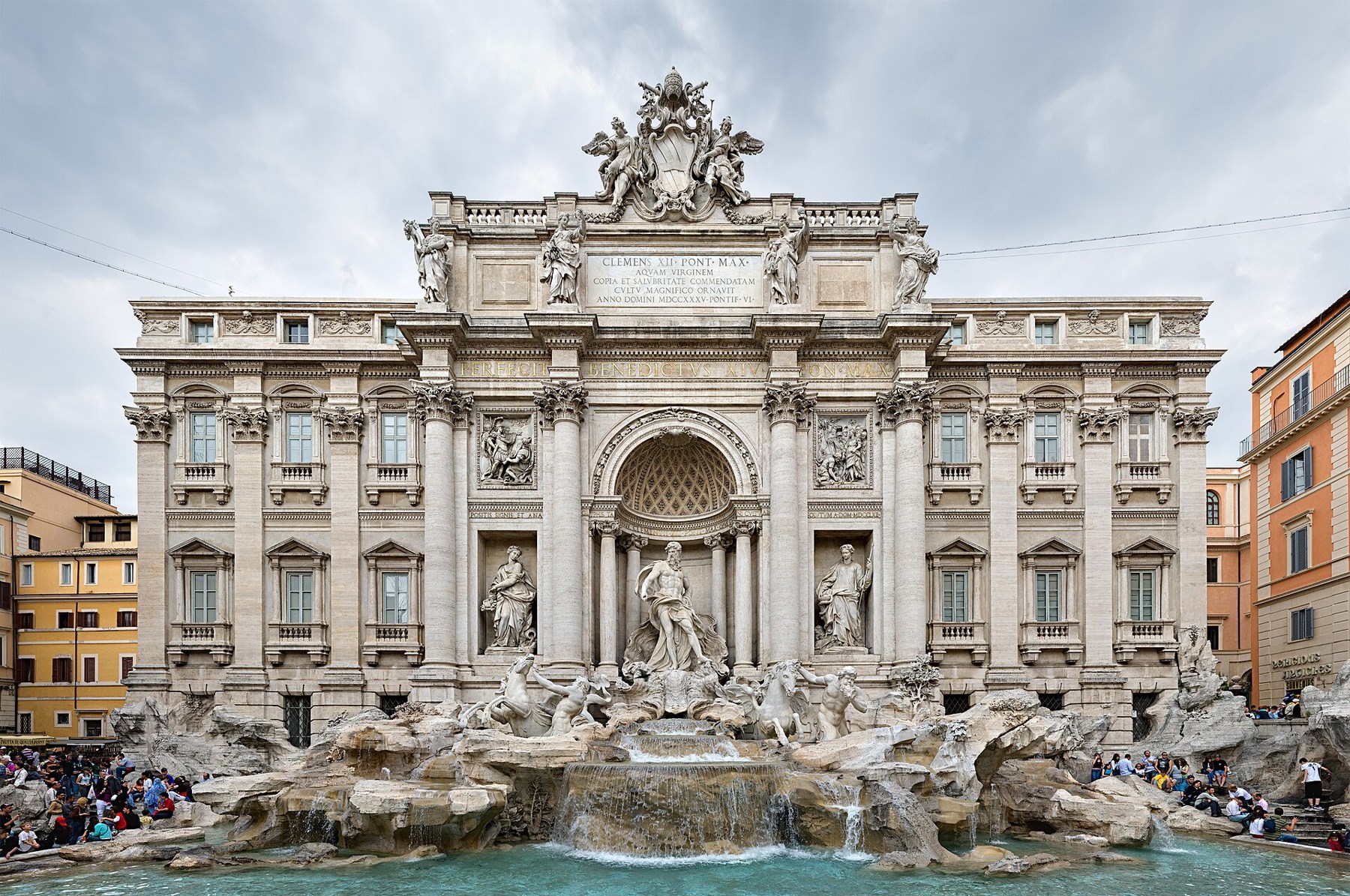
Choose Prati for the Vatican and Metro Line A, Monti for ancient Rome and convenient access to Termini, or Trastevere for evenings out and walks across the Tiber.
The important qualification is that all three names cover more ground than their best-known streets. A hotel marketed as “Vatican,” “Monti” or “Trastevere” may sit at a very different point on the map from the place you imagined.
The decision at a glance
| If your priority is… | Best fit | Main compromise |
|---|---|---|
| Vatican Museums and St Peter’s | Prati | Across the river from much of ancient Rome |
| Colosseum, Roman Forum and Termini access | Monti | Hills and potentially lively streets at night |
| Restaurants, bars and evening atmosphere | Trastevere | No metro in its historic core |
| Direct metro access | Prati or Monti | Trastevere relies more on walking, trams and buses |
| Staying near, but not beside, Termini | Monti | Check the address: the rione extends far beyond Cavour |
| Late dinners and a walk home | Trastevere | Room noise needs careful checking |
For a first trip led by the Colosseum, Forum and Palatine, Monti is usually the most convenient of these three. If the Vatican is the anchor, choose Prati. If the neighborhood should be part of every evening, choose Trastevere.
Prati: Vatican access and Metro Line A
Prati sits on the Tiber’s right bank, beside—but not inside—the Vatican. Its main visitor axis runs through Piazza Cavour, Via Cola di Rienzo and the streets around Ottaviano and Lepanto. Rome’s tourism office describes Prati through its late-19th- and early-20th-century architecture, shopping on Via Cola di Rienzo and proximity to St Peter’s; its official boundary description also distinguishes the rione from neighboring Borgo.
Pick Prati if
- The Vatican Museums or St Peter’s will take up a large part of the trip.
- You want Metro Line A for Flaminio, Spagna and Termini.
- You prefer broad avenues and a regular street plan to narrow historic lanes.
- Shopping and restaurants near the hotel matter more than having ancient ruins outside the door.
The location is particularly practical for the Vatican Museums. The museums’ official directions name Ottaviano and Cipro on Line A as the metro approaches, with several bus options serving the entrance and Piazza del Risorgimento (Vatican Museums). ATAC provides current metro and city-centre diagrams on its official transport maps page.
The trade-off
Prati is less convenient for a trip dominated by the Colosseum, Roman Forum and Trastevere. Those journeys require a river crossing, a metro change or a longer walk. The area also does not have the compact old-Rome street pattern some visitors expect from a “Vatican” stay; its characteristic buildings are later and more formal.
Where to put the hotel pin
- Around Ottaviano or Piazza del Risorgimento: strongest for Vatican-focused days.
- Between Lepanto and Via Cola di Rienzo: a useful compromise between Line A, shopping and walks toward the river.
- Near Piazza Cavour: convenient for crossing into central Rome, but less direct for the Vatican Museums entrance than the Ottaviano side.
Do not treat “near St Peter’s” and “near the Vatican Museums” as identical. St Peter’s Square is east of Vatican City, while the museums’ visitor entrance is on the northern side. Check the walking route to the entrance you will actually use.
Monti: the strongest fit for ancient Rome
Monti covers a broad area between the Imperial Fora, Santa Maria Maggiore and the Lateran. Its official boundaries reach Piazza del Colosseo and Via dei Fori Imperiali at one end and Piazza di San Giovanni in Laterano at another (Turismo Roma). The exact address therefore matters more than the neighborhood label.
The most convenient visitor pocket is around Via Urbana, Via Leonina, Piazza della Madonna dei Monti and Cavour station. Rome’s tourism office follows these streets on a walk from Termini to the Imperial Fora and calls Piazza della Madonna dei Monti a lively meeting place for residents and visitors (official Monti walk).
Pick Monti if
- The Colosseum, Roman Forum, Palatine and Imperial Fora lead your list.
- You want to walk to ancient sites while keeping a simple connection to Termini.
- You want restaurants and wine bars nearby without making Trastevere’s evening scene the focus.
- Your itinerary is split between ancient Rome, the historic centre and the Vatican.
On Metro Line B, Termini, Cavour and Colosseo are consecutive stations on ATAC’s network. The operator publishes the current schematic on its transport maps page. The metro will not cover every central journey, but it gives this part of Monti a useful link to Termini and the Colosseum area.
The trade-off
Monti is hilly, and its attractive inner streets are not interchangeable with every address on Via Cavour or at the rione’s distant edges. Its squares, restaurants and wine bars can also make individual streets active at night; Turismo Roma identifies Monti as one of Rome’s nightlife districts in its rione profile. Check whether a room faces a gathering place or a quieter side street.
Where to put the hotel pin
- Between Cavour station and Piazza della Madonna dei Monti: the clearest version of a Monti stay.
- Toward Via dei Serpenti or the Imperial Fora: strongest for walking to ancient Rome.
- Toward Santa Maria Maggiore: better for reaching Termini, though the immediate setting changes as the address approaches the station area.
If a listing says Monti, measure it against Cavour station, Piazza della Madonna dei Monti and the Colosseum. Those three pins show whether it is in the compact visitor core or simply within the rione’s large administrative boundary.
Trastevere: evenings and cross-river walks
Trastevere lies west of the Tiber. Its familiar visitor core is around Piazza di Santa Maria in Trastevere, Piazza Trilussa, Via della Lungaretta and the lanes near Ponte Sisto. The rione is much larger than this pocket, extending south and uphill toward the Janiculum. Its official profile lists Villa Farnesina, Santa Maria in Trastevere, Santa Cecilia and Janiculum sites among its principal places.
Pick Trastevere if
- Dinner, drinks and the walk home are central to the trip.
- You would rather cross the river on foot than use the metro for every central journey.
- You want Santa Maria in Trastevere, Villa Farnesina and the Janiculum nearby.
- You accept less direct rapid transit in exchange for a lively neighborhood setting.
Ponte Sisto connects Piazza Trilussa with the opposite bank and central Rome (Turismo Roma’s bridge guide). This is Trastevere’s practical advantage: accommodation near the bridge can work well for walking toward Campo de’ Fiori and the historic centre even though there is no metro station in the historic core.
The trade-off
Central Trastevere depends on walking, buses and trams rather than the metro. Line 8 serves the Viale Trastevere corridor. ATAC reported it fully restored on 21 October 2026 after tram-network works, while changes continued on other tram lines (ATAC service notice). Check the operator’s status updates again before a trip because works and replacement buses can change.
The evening appeal also makes room selection important. Near Piazza Trilussa and the busiest restaurant streets, inspect recent room-specific reviews and ask whether the room faces a square, a bar-lined lane or an internal courtyard.
Where to put the hotel pin
- Between Ponte Sisto and Santa Maria in Trastevere: best for cross-river walks and the central setting; noise checks matter here.
- Near Viale Trastevere and a Line 8 stop: better if tram access matters.
- Toward Santa Cecilia or the southern lanes: farther from Piazza Trilussa while remaining within the historic rione.
Do not confuse Roma Trastevere railway station with the best-known historic lanes. The station is at Via Pietro Manzi, south of the central visitor pocket (official location listing). A property sold on station access offers a different stay from one near Santa Maria in Trastevere.
Reduced-mobility checks
Do not choose solely from the presence of a metro symbol. ATAC lists stair lifts at Ottaviano in Prati and Cavour in Monti and advises passengers to check equipment availability; assistance and stair-lift booking are available through the operator (ATAC stair-lift notice). ATAC also says 70% of its tram fleet has a platform-level floor and advises checking station accessibility before travel (ATAC accessibility guide).
For any of the three neighborhoods, confirm the complete route from street to room: station equipment, gradients, paving, entrance steps and lift dimensions. A central address can still be a poor fit if one part of the route is inaccessible.
The practical verdict
- Choose Monti when ancient Rome leads the itinerary and Cavour or Termini access is useful.
- Choose Prati when the Vatican is the anchor and Line A matters more than nightlife at the door.
- Choose Trastevere when evenings in the neighborhood justify weaker metro access.
Before booking, ignore the neighborhood name for a moment and place the exact address on a map. In Prati, compare it with Ottaviano and Lepanto; in Monti, with Cavour and Piazza della Madonna dei Monti; in Trastevere, with Ponte Sisto, Santa Maria in Trastevere and Viale Trastevere. That check is more useful than any claim that one entire rione is “best.”